
CHRONOS
World History Atlas
Founding Explorer Edition
Roman Empire
753 BCE – 476 CE · Republic · Conquest · Empire
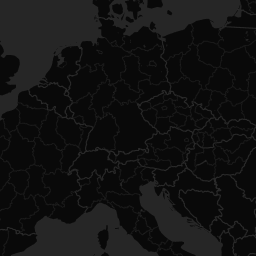

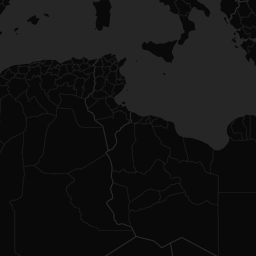
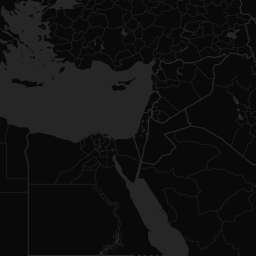



Explore the full interactive atlas in the app

The Rise of Rome
Founded in 753 BCE as a small settlement on the banks of the Tiber River, Rome grew from a collection of hilltop villages into the largest empire the Western world had ever seen. Over eight centuries, it absorbed Italy, then the Mediterranean, then Europe, and finally reached as far as Britain, Mesopotamia, and the edges of the Sahara.
The secret to Rome's success was not just military power but institutional resilience — the Senate, the law, the road network, and the concept of Roman citizenship created a system that could absorb and integrate conquered peoples rather than merely dominate them.
The Roman Republic's Expansion
Unification of Italy (272 BCE)
Rome subdued all Italian peoples south of the Po, forging a unified military base.
First Punic War (264–241 BCE)
Sicily became Rome's first overseas province, launching its Mediterranean empire.
Second Punic War (218–201 BCE)
Hannibal's invasion nearly destroyed Rome — Scipio's victory at Zama sealed Roman supremacy.
Conquest of Greece (146 BCE)
The sack of Corinth brought Greek culture and eastern wealth flooding into Rome.
Caesar in Gaul (58–50 BCE)
Eight years of war brought all of modern France, Belgium, and parts of Germany under Roman control.
Destruction of Carthage (146 BCE)
Rome's greatest rival was razed to the ground, ending Phoenician civilization in Africa.
Leaders Who Built the Empire
Tap to ask historical figures about their legacy
Scipio Africanus
Roman Conqueror
Took the war to Africa and crushed Hannibal at Zama, ending the greatest threat Rome had ever faced.
Julius Caesar
Proconsul of Gaul
Conquered all of Gaul in 8 years, writing the famous Commentarii de Bello Gallico as he campaigned.
Augustus
First Emperor
Transformed Rome from a battered republic into a stable empire during the Pax Romana.
Marcus Aurelius
Philosopher Emperor
Stoic philosopher and emperor who wrote Meditations on duty, mortality, and virtue.
Trajan
Emperor
Expanded Rome to its greatest territorial extent, reaching as far as modern Iraq.
The Roman Empire at Its Peak
5 Million km²
Under Trajan, the empire stretched from Scotland to Mesopotamia, encompassing 70 million people.
Roman Law
The legal system codified under Rome became the foundation of every major Western legal tradition.
400,000 km of Roads
The Roman road network enabled rapid military deployment and commerce across the empire.
Single Currency
The denarius unified trade across three continents for centuries.
Aqueducts & Cities
Roman engineering brought fresh water to cities and created urban life on an unprecedented scale.
Latin Language
Latin evolved into French, Spanish, Portuguese, Italian and Romanian — spoken by 1 billion people today.
Questions About the Roman Empire
Continue in Chronos
Why install the Chronos app?
This page is a starting point. The Chronos app adds the full experience — an interactive atlas, reconstructions, and conversations with the people who lived this history.
Interactive Historical Atlas
Explore a live, zoomable world map with real historical sites pinned to their exact locations.
Nearby Historical Sites
Discover the history around you — temples, monuments, and ancient places near your location.
Historical Reconstructions
See how places looked in their time through grounded, cinematic reconstructions.
Immersive Experiences
Step inside the stories, sounds, and atmosphere of moments that shaped the world.
Dialogues with Historical Characters
Talk to the people who were there — rulers, explorers, and thinkers from across history.
Historical Routes
Follow trade roads, conquests, and voyages along their real paths across the map.
Practical Travel Information
Plan your visit with the details you need to reach and explore each site.
Favorites
Save places and build your own map through time.
New Content Added Regularly
Fresh historical events, maps, and stories are added on an ongoing basis.
Explore Related Historical Maps
Continue your journey through history. Discover connected civilizations, empires, and pivotal moments.
Renaissance
Revival of Roman knowledge and culture
Ottoman Empire
Conquerors of Constantinople, heirs to Rome
Ancient Egypt
Contemporary ancient civilization
Maya Civilization
Ancient civilization of the Americas